
Iron Line didn't start with a pitch deck or a strategic plan. It started with a pattern.
For years, working in operations and staying close to community life in Grand Rapids, the same gap kept appearing: the people who understood the real shape of a problem weren’t connected to the people who could address it. And the people who wanted to help didn’t know where to start.
Iron Line grew from that experience. First as a way to respond quickly. Then, over time, as something more intentional.
The Work
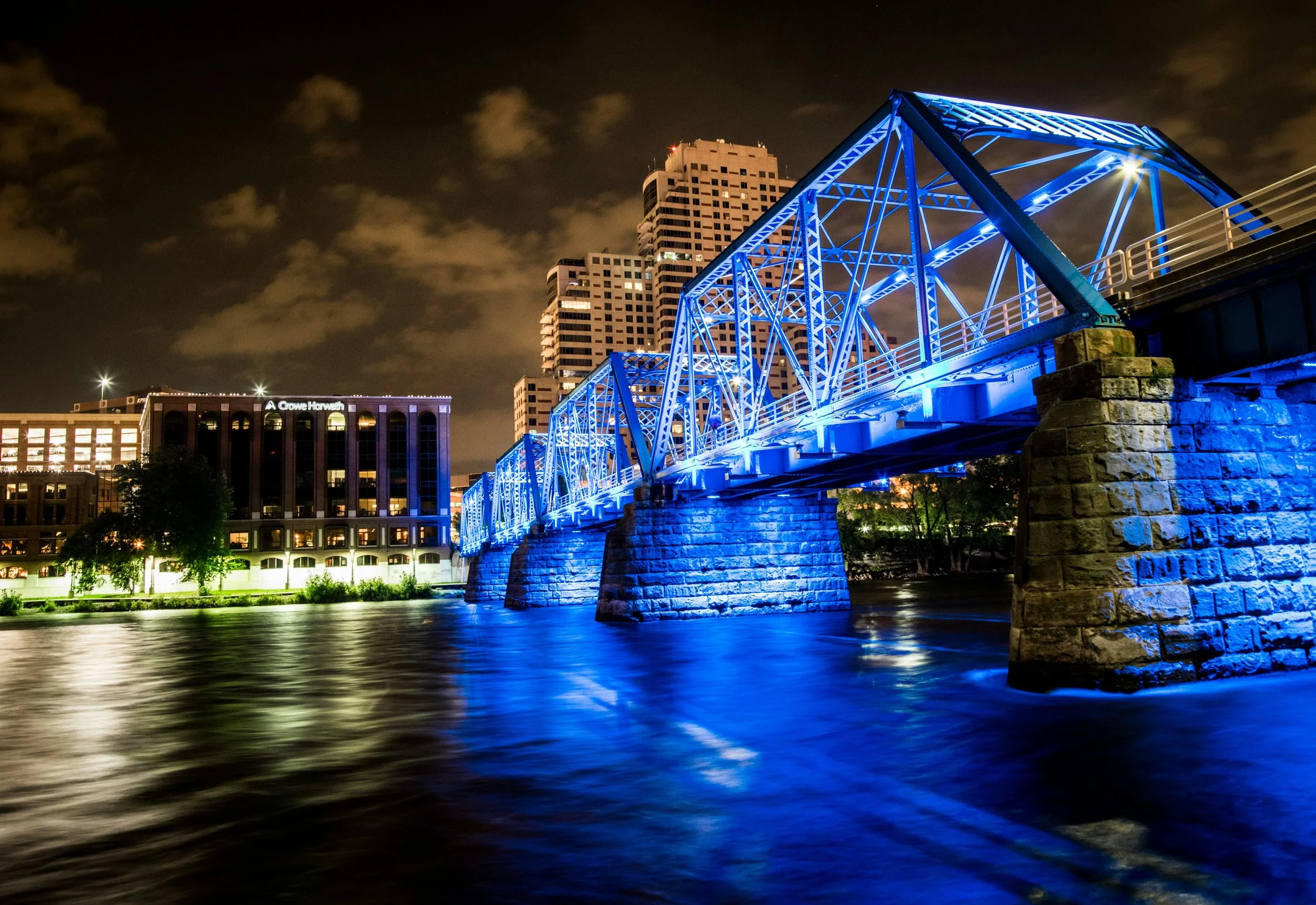
Iron Line connects people already doing the work with the resources, structure, and support to do it more effectively. We don’t replace what’s already here; we build the infrastructure between it.
That means identifying gaps, connecting people, and building the kind of coordination that community support runs on; even when no one can see it.
Who This Is For
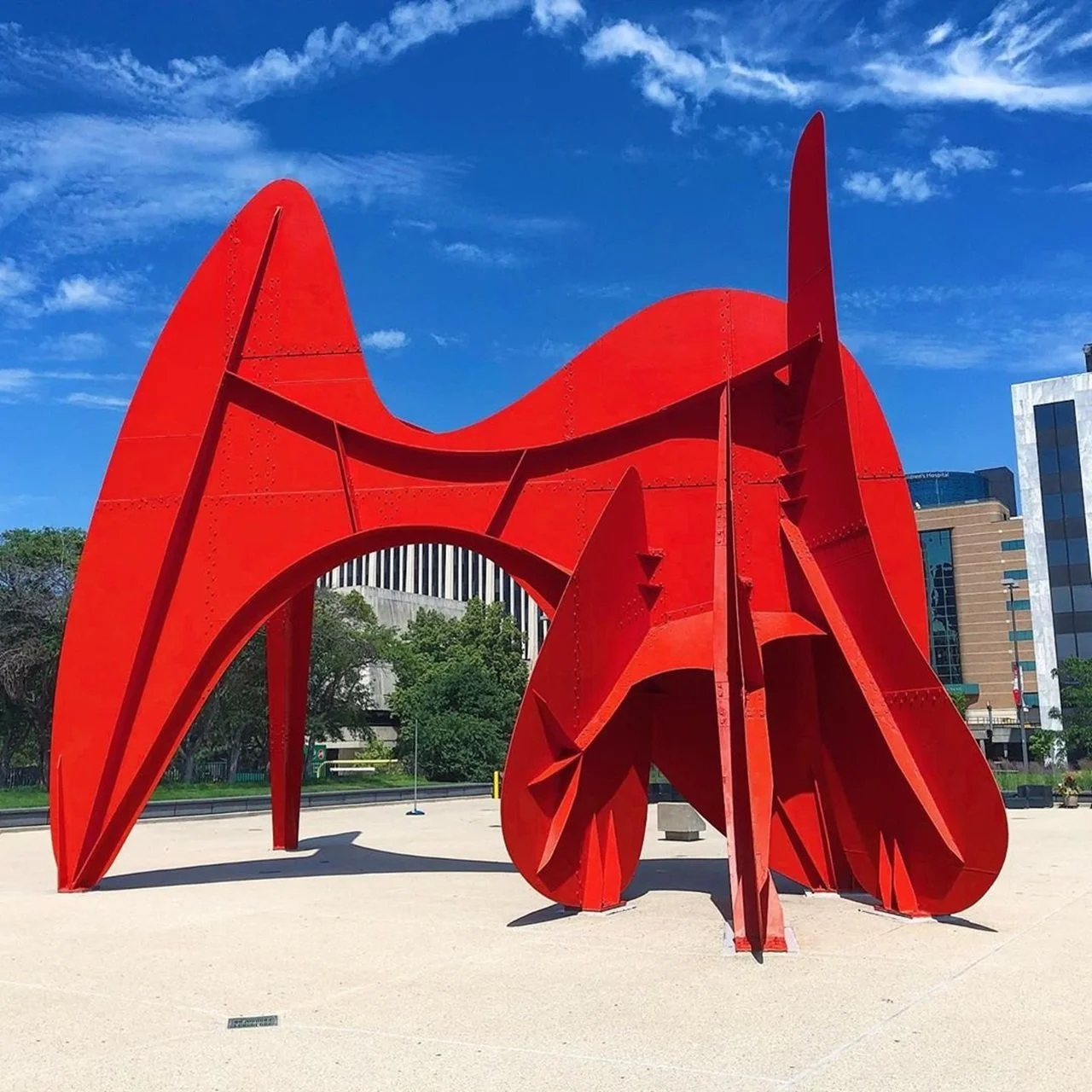
Iron Line is for the people already in it: the volunteers, the informal coordinators, the people who show up because they know someone needs them to. It's also for the people who want to be part of something meaningful but aren't sure where they'd fit.
Iron Line began as a wellness initiative, built on the belief that access to health knowledge should not be a privilege.
When the pandemic hit, that model collapsed overnight. Investors pulled back. Physical spaces shut down. And the need in the community changed instantly.
What was once a focus on wellness became something more immediate: making sure neighbors had food, supplies, and support.
There was no time for structure or strategy. Only action.
That moment revealed something fundamental.
Iron Line was never just about wellness.
It was about closing the gap between what people need and what existing systems fail to provide.
Today, Iron Line operates on that principle; adapting in real time to meet community needs, whether that means delivering resources, building networks, or developing new solutions from the ground up.